












Choosing between shared hosting vs VPS hosting is one of the most important decisions for Indian startups and small businesses. The hosting type you select directly impacts your website speed, security, scalability, and long-term growth.
Many businesses in India start with cheap shared hosting plans because they are affordable. However, as traffic increases and performance expectations grow, limitations become visible. That’s when VPS hosting becomes a serious consideration.
This guide will clearly explain:
- What shared hosting and VPS hosting actually mean
- Performance and ranking differences
- Cost comparison
- Security considerations
- When to upgrade
- Which hosting is best for business websites
Let’s break it down practically and honestly
What Is Shared Hosting?
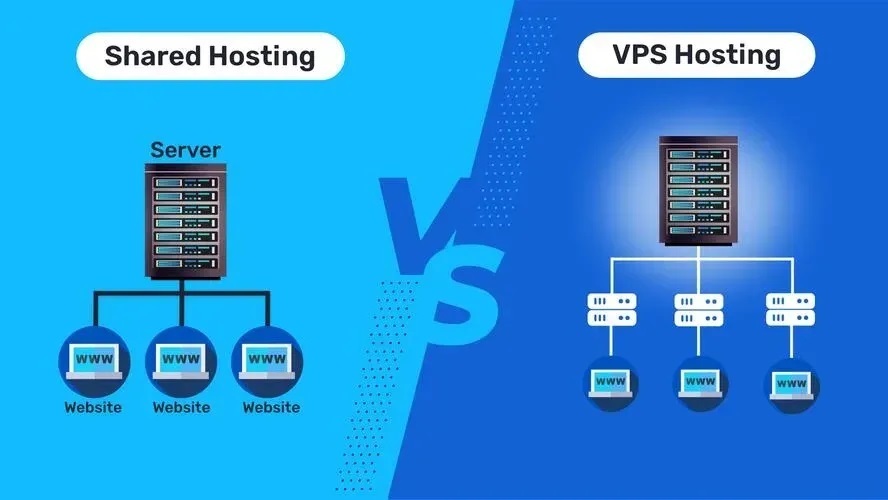
Shared hosting means multiple websites are hosted on the same physical server and share resources like RAM, CPU, and bandwidth.
Before selecting this option, understand how shared infrastructure affects speed, stability, and security in real-world business scenarios.
- Multiple users share the same server resources
- Cost is divided among users, making it affordable
- Limited customization options
- Performance depends on the overall server load
- Suitable for low-traffic websites
In India, many providers offer cheap shared hosting plans India, which are ideal for beginners and bloggers.
What Is VPS Hosting?
VPS (Virtual Private Server) hosting divides a physical server into multiple virtual environments. Each VPS gets dedicated resources.
Before comparing with shared hosting, understand how resource isolation improves business-level website performance and reliability.
- Dedicated RAM and CPU allocation
- Isolated virtual server environment
- Better stability during traffic spikes
- Higher customization flexibility
- Stronger security structure
For businesses running revenue-driven websites, VPS is usually more reliable.
Shared Hosting vs VPS Hosting: Core Technical Differences
Understanding infrastructure differences helps you make confident decisions.
Before choosing a hosting plan, review this direct comparison of shared hosting vs VPS hosting in India.
Feature | Shared Hosting | VPS Hosting
Resource Allocation | Shared | Dedicated Virtual
Performance Stability | Medium | High
Security Level | Basic | Strong Isolation
Scalability | Limited | Flexible
Cost | Low | Moderate
Best For | Beginners | Growing Businesses
If your website supports sales or client acquisition, VPS offers more control and consistency.
Performance & Speed Comparison (Critical for SEO Rankings)
Website speed directly affects search rankings and conversions.
Before selecting hosting for your business website, understand how performance differences impact SEO and user experience.
- Shared hosting may slow down during high traffic periods
- Other websites on the same server can consume resources
- VPS ensures stable performance during traffic spikes
- Dedicated resources improve page loading speed
- Faster websites reduce bounce rates
For businesses targeting Google rankings, VPS often provides a competitive edge.
Security Comparison: Which Is Safer for Business Websites?
Security is a major concern for startups and e-commerce businesses.
Before deciding, evaluate how each hosting type handles data isolation and protection.
- Shared hosting increases exposure due to a shared environment
- One compromised site can affect others on the server
- VPS provides isolated virtual environments
- Better firewall and configuration control
- Reduced risk of cross-site contamination
For businesses handling customer data, VPS is typically the safer option.
Cost Comparison: Cheap Shared Hosting vs VPS
Budget plays a role in early-stage decisions.
Before focusing purely on price, evaluate long-term value instead of short-term savings.
- Shared hosting is cheaper initially
- VPS costs more but offers stability
- Downtime from shared hosting can cost revenue
- Migration from shared to VPS adds future effort
- VPS provides better scalability without a complete migration
For serious businesses, VPS becomes cost-effective over time.
Starter Shared Hosting Plan India: When It Makes Sense
Shared hosting is not always a bad choice.
Before rejecting shared hosting completely, identify situations where it is practical.
- New blog websites
- Portfolio sites
- Informational websites
- Very low traffic startups
- Testing early-stage ideas
A starter shared hosting plan in India works well for early experiments.
Hosting for Small Business: What Really Matters?
Business websites require more than just online presence.
Before selecting business website hosting plans, prioritize these operational factors carefully.
- Consistent uptime
- Page speed optimization
- Secure environment
- Resource flexibility
- Reliable technical support
For serious small businesses, VPS provides a stronger foundation
Hosting for Startups: Planning for Growth
Startups often expect traffic growth after marketing campaigns or product launches.
Before choosing shared hosting, consider future scalability needs carefully.
- Shared hosting struggles during viral traffic spikes
- VPS allows instant resource upgrades
- Startups avoid downtime during growth
- Application-based platforms need consistent performance
- Scalability reduces future migration risks
For startups planning aggressive growth, VPS is a safer investment.
Business Website Hosting Plans: Which One Supports Growth?
Business websites require long-term reliability.
Before selecting hosting for revenue-driven websites, match infrastructure with your growth roadmap.
- E-commerce websites require stable checkout performance
- Lead generation sites must stay online 24/7
- Service companies depend on fast page loading
- High traffic campaigns demand reliable resources
- Customer trust depends on consistent uptime
VPS hosting aligns better with serious business goals.
When Should You Upgrade from Shared Hosting to VPS?
Many businesses delay upgrading too long.
Before performance issues affect your reputation, watch for these clear upgrade signals.
- Website loading time increasing
- Frequent downtime complaints
- Traffic exceeding shared limits
- Security concerns rising
- Need for custom server configuration
If you see two or more of these signs, upgrading to VPS is recommended.
Real-World Scenario Comparison
Understanding practical situations helps clarify the decision.
Before finalizing hosting type, evaluate these real-life business examples carefully.
Example 1: A blogger with 500 monthly visitors → Shared hosting is sufficient.
Example 2: An e-commerce store running paid ads → VPS recommended.
Example 3: A SaaS startup launching new app features → VPS essential.
Example 4: A corporate website collecting customer data → VPS strongly preferred.
Pros and Cons Summary
Balanced comparison helps avoid biased decisions.
Before making your final choice, review these practical advantages and limitations clearly.
Shared Hosting Pros
- Low cost
- Easy setup
- Beginner-friendly
Shared Hosting Cons
- Limited performance
- Shared security risks
- Scalability restrictions
VPS Hosting Pros
- Dedicated resources
- Better uptime stability
- Stronger security
- Flexible scaling
VPS Hosting Cons
- Higher cost than shared
- Slightly more configuration awareness is required
Expert Recommendation: Which Is Better for Business Websites?
If your website:
- Generates revenue
- Handles customer data
- Runs paid marketing campaigns
- Supports ecommerce transactions
- Represents your professional brand
Then VPS hosting is the better long-term solution.
Shared hosting is suitable for starting small. But businesses aiming for growth, SEO ranking improvement, and consistent performance should plan early migration to VPS.
Final Verdict: Shared Hosting vs VPS Hosting in India
In the debate of shared hosting vs VPS hosting, the answer depends on your business stage.
- For beginners and hobby sites → Shared hosting works.
- For serious businesses and startups → VPS is better.
VPS provides better performance, security, scalability, and ranking potential.
If your goal is long-term business growth in India, upgrading to VPS hosting is a strategic move, not just a technical one.
Frequently Asked Questions
Shared hosting shares server resources among users, while VPS provides dedicated virtual resources for better performance and stability.
Shared hosting works for very small or low-traffic websites, but growing businesses benefit more from VPS.
VPS can improve site speed and uptime stability, which positively impacts search rankings and user experience.
Upgrade when traffic increases, performance slows, or security concerns become significant.
VPS costs more than shared hosting but offers better value for growing businesses.
Yes, startups can start with shared hosting, but should plan to upgrade as traffic grows.
VPS hosting is safer due to resource isolation and stronger security configuration options.
Serious business websites usually benefit from VPS for stability and scalability.
It is a low-cost hosting option suitable for basic websites and small blogs.
Yes, VPS supports the scalability and stability required by fast-growing startups.
